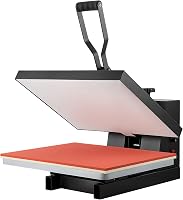
How to Use a VEVOR Heat Press
To use a VEVOR heat press, set the temperature and time on the digital control, load your garment and design flat on the lower platen, lower the heated platen, and press for the full countdown. Raise the press when the alarm sounds, then peel the transfer while it is warm or cool as the transfer maker directs.
On this page (8 sections)
- How do you set the temperature and time on a VEVOR press?
- How do you set the pressure on a VEVOR press?
- How do you load a garment and design before pressing?
- How do you press a shirt on a VEVOR machine?
- Which VEVOR press fits which kind of work?
- How do you keep a VEVOR press working well?
- What mistakes should you avoid on a VEVOR press?
- Which press should you start with?
To use a VEVOR heat press, set your temperature and time, load the garment and design on the lower platen, and press. Let the countdown finish, raise the platen, and remove the transfer according to the material's own instructions.
The steps below walk through how to use a VEVOR heat press for the first time, from warm-up to peeling the design. This guide is about the operating steps only.
For the wider context on what these machines do, read what is a heat press first. If your machine is still in the box, set it up with our how to set up VEVOR heat press guide before you start pressing.
How do you set the temperature and time on a VEVOR press?
Open the press, set the temperature and timer, then close it to warm up. VEVOR's digital control board takes both values before you touch a garment.
Press the control buttons until the temperature digits blink. Raise or lower the target with the up and down buttons; the 16x24 model ranges from 0 to 570°F and the slide-out model from 32 to 480°F.
Set the timer next, using the same buttons. Time runs from 0 to 999 seconds on the flat models.
Close the press on an empty platen and wait for the display to hold your temperature. Add a minute or two after the reading settles, because the top plate still soaks heat and a cold edge gives a weak bond.
The press beeps when the timer ends. That alarm means the countdown finished, not that the shirt is done peeling.
Note both settings on a card so you can repeat a good result later.
How do you set the pressure on a VEVOR press?
Lower the handle until the platen meets firm resistance, then lock it. VEVOR uses an adjustable pressure knob you turn clockwise to increase pressure and counterclockwise to reduce it.
Pressure follows the thickness of the material. A thin cotton tee needs less than a thick hoodie or a canvas bag.
Turn the knob in small steps and press a test scrap each time.
The right pressure leaves a clear, even imprint of the design edges after pressing. If the vinyl peels up at a corner or the design looks flat and blotchy, add pressure.
If the garment wrinkles under the plate or the handle fights back, ease off.
The non-slip rubber grip on the handle makes long sessions easier on your hand. It's still worth stopping now and then to check the arm still closes all the way.
How do you load a garment and design before pressing?
Prepress the blank, place the design, and check the alignment before lowering the platen. A flat, dry garment is the base of a good transfer.
Prepress for 3 to 5 seconds to flatten wrinkles and drive off moisture. Wrinkles become permanent dents under heat, and damp fabric stops the vinyl sticking.
Lay the design face up or face down according to the transfer type. HTV goes shiny side down against the shirt; sublimation prints face down on the fabric.
Measure from the collar or side seam so the design sits where you want it.
Use a pressing sheet or parchment between the platen and the vinyl. It keeps the Teflon or PTFE coating clean and stops adhesive from sticking to the plate.
The coating on VEVOR's platens reduces that risk, but a sheet still protects both surfaces.
How do you press a shirt on a VEVOR machine?
Close the platen, hold for the full countdown, and lift when the alarm sounds. Even pressure and full time matter more than speed.
Lower the handle smoothly until it stops. Don't bounce or shove it; a jolt can shift the design under the plate.
Let the timer run without peeking, since opening the press mid-count loses heat and shortens the press.
When the alarm sounds, raise the platen straight up. Then peel the carrier.
Hot peel vinyl comes off straight after lifting; cold peel vinyl needs to cool fully first. Pull slowly and at a low angle so the design stays flat.
For a full walkthrough with garment sizes and layout tips, see how to heat press a shirt. Hoodies and thicker fabrics need more time and pressure, so read how to heat press a hoodie next.
Which VEVOR press fits which kind of work?
Pick the flat 15x15 swing-away for shirts and hats, the 16x24 for larger flat items, and the slide-out for frequent placement and removal. Each machine changes how you load and unload, not the basic press steps.
Which VEVOR press is best for most home crafters?
The VEVOR Heat Press Machine is the easy pick for a first machine. Its 360° swing-away arm moves the heated plate to the side so you can load a shirt without reaching under heat.
The 15 x 15 in platen handles most tees and tote bags.
It's a 2-in-1: the flat platen takes shirts, pillows and bags, and the 6 x 3 in curved platen presses caps. Double tube heating spreads heat more evenly than a single tube.
The PTFE coating lowers the surface temperature and reduces sticking.
Skip it if you regularly press oversized prints or wide bags. The 16 x 24 model covers more area for that.
Which VEVOR press is best for large flat designs?
The VEVOR 16x24 1700W Press is the choice for big prints and wide flat items. Its 16 x 24 in heating pad gives a much larger working area than a 15 x 15 platen.
The sponge-lined pad is built to a 20,000 hour service life, VEVOR says. The Teflon insulation coating keeps the top cooler to the touch and reduces adhesion.
The digital board sets temperature from 0 to 570°F and time up to 999 seconds.
Skip it if your main job is hats. It's a flat press with no curved attachment, so caps need a separate platen or a 2-in-1 machine.
Which VEVOR press is best for beginners who want safety?
The VEVOR 15x15 Slide-Out Press is the safest first machine for frequent loading and unloading. Its pull-out drawer keeps your hands away from the hot plate.
The drawer slides the lower platen forward so you can place and remove items with clearance. Dual insulation keeps the outer surface at about 50 to 70°C even when the working temperature passes 210°C.
The control ranges from 32 to 480°F and 0 to 999 seconds.
Skip it if you need a swing-away arm for hats. It's a flat drawer press, so caps and curved items need another machine.
How do you keep a VEVOR press working well?
Wipe the platen after each session, cover it while it cools, and keep the control dry. Small habits keep transfers even and the machine safe.
Let the press cool fully before cleaning the heating plate. A damp cloth on a hot plate can warp the coating or cause a steam burn.
Wipe the Teflon or PTFE surface with a soft cloth once it's cold, and clear lint from the lower pad.
Keep the control panel away from spills and steam. Don't press damp garments or wet transfers; moisture turns to steam under the plate and causes uneven bonding.
Store the press closed or with the arm up according to the manual, and keep the cord clear of the hot plate. If the press starts heating slowly or the display flickers, stop using it and check the outlet and cord before contacting VEVOR support.
What mistakes should you avoid on a VEVOR press?
The most common first-timer errors are pressing too cool, too short, or with too little pressure. All three leave a design that peels after the first wash.
Don't trust a single temperature for every material. Vinyl, sublimation and specialty films each have their own time and temperature ranges.
Check the transfer maker's chart and adjust the press to match.
Don't peel while the plate is still down. Raise the arm first, then peel.
And don't press over seams, zippers or buttons without a pressing pad to level the surface.
Finally, don't skip a test press on scrap fabric. A 30-second test saves a ruined shirt and tells you whether the pressure or time needs one more tweak.
Which press should you start with?
For most first-time users, the VEVOR Heat Press Machine is the best all-round pick because the swing-away arm and cap platen cover shirts and hats. Pick the 16x24 flat press if large prints matter more, or the slide-out drawer if safety and easy loading come first.
Once you know how to use a VEVOR heat press, the machine becomes a repeatable tool: set the numbers, load flat, press for the countdown, and peel at the right moment. Write down the settings that worked on each material so your next project starts from a known result.
Frequently asked questions
What temperature should I start with on a VEVOR heat press?
Start at 315°F (160°C) for heat transfer vinyl on cotton and raise it in 10 to 20 degree steps if the vinyl doesn't bond. For sublimation, most blanks call for 385 to 400°F.
Always follow the transfer material's own chart first, because the press can reach much higher.
How hard should I press down on the handle?
Lower the platen fully and stop when the handle meets steady resistance. The goal is firm, even contact across the design, not forcing the arm.
If the top of the press springs back or feels slack, or the design peels after cooling, adjust the pressure knob and try a test piece.
Do I need to let a VEVOR heat press warm up before pressing?
Yes. Close the press on an empty platen and wait until the digital display holds the set temperature, then add a minute or two for the platen to soak the heat.
Pressing on a cool plate gives uneven transfers and uneven peeling.
What should I do before pressing a shirt on a VEVOR machine?
Prepress the shirt for a few seconds to flatten wrinkles and drive off moisture. Place a piece of parchment or a pressing sheet between the platen and the vinyl so the coating stays clean.
Skip fabric softener on the garment, since it can stop the vinyl from sticking.