What Can You Make With a Heat Press?
You can make custom shirts, hoodies, hats, mugs, tumblers, and some flat gifts with a heat press. The right press, blank, and transfer depend on the shape and material of the item.
On this page (10 sections)
- What can you make with a heat press?
- Can you make custom shirts and hoodies?
- What can you make with heat transfer vinyl?
- Can you make mugs and tumblers?
- Can you make plates, tiles, and other flat gifts?
- What do you need besides the press?
- How do you set up a heat press project?
- What mistakes should you avoid?
- How do you choose a heat press project?
- Which heat press projects should you try first?
You can make custom clothing, hats, mugs, tumblers, and some flat gifts with a heat press. If you're asking what can you make with a heat press, start by matching the item's shape and material to a press attachment and transfer method.
A flat press suits garments and other flat blanks. Curved items such as caps and drinkware need a platen or machine shaped to hold them against the heated surface.
What can you make with a heat press?
A heat press applies heat and pressure to transfers on compatible blanks, including shirts, hoodies, caps, mugs, tumblers, and some plates or coasters. It does not print a design by itself, so you also need a ready transfer or supplies to make one.
Common project pairings include:
- Shirts and hoodies: HTV, DTF transfers, or sublimation on suitable fabric.
- Hats: a curved hat press or hat platen for patches, vinyl, or other compatible transfers.
- Mugs and tumblers: a mug or tumbler press for drinkware that fits its shape and size range.
- Flat gifts: plates, tiles, coasters, and similar blanks when the press has the right attachment.
A flat platen cannot evenly press around a curved cap or cylindrical cup. Before buying, make a short list of the items you plan to decorate most often and check which press shape each one needs.
For a closer look at equipment types and sizes, see our heat press guide to types, sizes, and picks. If you're new to the process, what a heat press is and how it works explains how heat and pressure transfer a design.
Can you make custom shirts and hoodies?
Yes, shirts and hoodies are common heat press projects when the garment and transfer are compatible. HTV, DTF, and sublimation can all work for some garments, but they have different material requirements.
HTV works with many cotton and cotton-blend garments, while sublimation is generally suited to compatible polyester blanks or coated items. DTF transfers are another option; follow the transfer supplier's instructions for the fabric and pressing conditions.
A standard flat platen is the simplest fit for shirts. Pockets, zippers, thick seams, and drawstrings can keep a garment from lying flat, so place the design away from bulky areas or use a pressing pillow when appropriate.
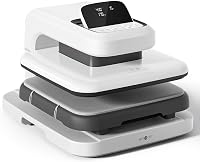
The Slendor 5-in-1 combines a 12 x 15 in swing-away press with attachments for hats, tumblers, and two plate sizes. It suits a crafter who wants to try several project types, but is a poor fit if you only need a compact shirt press or lack room to store its attachments.
For garment steps, see how to heat press a shirt and how to heat press a hoodie. If your blank is polyester, read how to heat press polyester without scorching it before choosing a setting.
What can you make with heat transfer vinyl?
HTV lets you add cut lettering, shapes, and simple designs to compatible garments and other blanks. A cutting machine can cut the design from vinyl, or you can buy a ready-to-press design.
HTV suits names, numbers, short phrases, and layered shapes. It can be a practical choice for one-off gifts or small batches because you can make a design without a sublimation printer, but you still need vinyl and a way to cut it.
The vinyl type and garment determine the press settings. Use the instructions for that exact material, including whether the transfer should be peeled hot, warm, or cool.
A multipurpose press can work for someone who wants clothing plus occasional shaped projects. Skip the extra attachments if your plans are limited to shirts and you would rather have a simpler setup.
See our guide to HTV heat press temperature and time by vinyl type for setting guidance. For a broader comparison, HTV vs sublimation explains what each method suits.
What can you make with a heat press for hats?
You can decorate caps with a curved platen or dedicated hat press. Its curved surface helps hold a cap in place and bring the design area against the heated plate.
Hat projects include names, team designs, logos, and patches. The cap's shape, seams, and bill affect placement, so check that the platen supports the area you want to decorate.
The HTVRONT Auto Hat Press has one-touch automatic operation, two customizable preset modes, and temperature and time controls. HTVRONT describes it for DTF film, embroidery patches, puff HTV, hotfix rhinestones, and sublimation paper.
This press suits a maker whose main projects are caps, including adult and kids' sizes. Skip it if you mainly want to press shirts or flat gifts, since the dedicated hat shape won't replace a flat platen.
Can you make mugs and tumblers?
Yes, but drinkware needs a press shaped for mugs or tumblers. A standard flat platen cannot wrap heat around a curved surface in the same way.
Mug projects often use compatible coated blanks with sublimation or Infusible Ink materials. Tumblers need to fit the press's diameter and length range, and the transfer must suit the drinkware surface.
Cricut Mug Press is designed for compatible mug blanks from 11 oz to 16 oz and works with Infusible Ink transfer sheets, pens, or markers. It has no manual temperature or pressure settings, so follow Cricut's mug-making instructions and use it in a well-ventilated area.
The HTVRONT Auto Tumbler Press adjusts pressure based on tumbler diameter. It suits drinkware projects that fit its stated range, including tumblers, mugs, water bottles, and similar items.
Measure the blank before starting, especially if it tapers or has an unusual shape. Skip this press if most of your projects are shirts or if your drinkware falls outside its fit range.
For shirt projects made with sublimation, see which heat press works for sublimation shirts. For tumbler settings, follow the blank and transfer instructions, and use sublimation temperature and time guidance as a starting point.
Can you make plates, tiles, and other flat gifts?
Some heat presses can decorate flat blanks such as plates, tiles, coasters, and mouse pads when the machine has the right attachment. The blank must suit the transfer method and sit securely against the platen.
A 5-in-1 press may include attachments for more than one project type. The Slendor set includes two plate attachments, a hat press, and a tumbler attachment alongside its flat press.
These projects suit crafters who want to make coordinated gifts or try different blanks with one machine. Skip a multi-attachment setup if you have no plans for those items, since each added shape means another blank type and set of instructions to manage.
Don't assume that any ceramic or glass item is ready for heat transfer. Choose blanks made for the process and follow their temperature and time instructions.
What do you need besides the press?
You need a compatible blank, a design transfer, and instructions for both materials. A printer is optional because ready-to-press transfers and cut vinyl can work without printing your own design.
The method you choose determines the supplies:
- HTV: compatible heat transfer vinyl and a way to cut or buy the design.
- DTF: a ready DTF transfer made for the garment or blank.
- Sublimation: sublimation ink and paper, plus a compatible coated or polyester blank.
- Infusible Ink: compatible materials and blanks intended for that system.
A pressing mat or pillow can help create a more even surface around seams and raised areas. See when to use a heat press pillow and whether you need a protective sheet for a heat press.
Set up on a stable, heat-safe work surface with enough room to open or swing the press. Keep the cord clear of the hot plate, gather the blank and transfer before heating, and follow the machine's safety instructions.
How do you set up a heat press project?
Prepare the blank and transfer before setting the press. Check that their instructions agree on temperature, time, pressure, and peel method, then make sure the press attachment fits the item.
For a shirt, smooth the fabric and position the design before closing the press. For a cap or tumbler, secure the item in its shaped platen and check that the design area sits where you want it.
Let the press reach its set temperature before pressing, unless the machine's instructions specify another process. Keep hands away from the heated plate, and use ventilation for materials that may emit vapor during transfer.
After pressing, follow the transfer instructions for peeling and cooling. Let a project cool as directed before handling or washing it, and follow the garment or blank care guidance to protect the design.
What mistakes should you avoid?
The most common mistakes are mismatching the transfer, blank, press shape, or settings. A correct temperature alone cannot compensate for a blank that is incompatible or a platen that does not contact the design area evenly.
Avoid these problems:
- Using the wrong attachment: a flat platen is not a substitute for a curved hat or drinkware press.
- Guessing settings: use the transfer and blank instructions rather than copying settings from an unrelated material.
- Pressing over seams or hardware: bulky areas can create uneven contact; reposition the design or use an appropriate pillow.
- Moving the transfer: secure and align it before pressing so it doesn't shift.
- Skipping care instructions: washing or handling too soon can affect the finished design.
For a garment that may react to heat, try a suitable scrap first when possible. Use the heat press pressure guide to understand how pressure fits into setup.
How do you choose a heat press project?
Start with the item you want to decorate most often, then match its shape and material to the press and transfer. A shirt maker usually needs a flat platen, while a cap or tumbler project calls for shaped equipment.
Choose a flat press for clothing and flat gifts. Choose a dedicated mug, tumbler, or hat press when that item is your main focus; a multipurpose press can cover more project types, but its attachments take storage space.
Before buying, list the blanks you expect to use, check their sizes, and confirm that you can get compatible transfers. If you plan to sell your work, consider how quickly you need to repeat a design and whether changing attachments will slow down your typical orders.
Which heat press projects should you try first?
For a first project, start with a simple shirt design or a compatible mug blank and follow one transfer system's instructions. This keeps the choice of blank, press shape, and settings clear.
Choose Cricut Mug Press for compatible Infusible Ink mugs, HTVRONT Auto Hat Press for cap projects, and HTVRONT Auto Tumbler Press for drinkware within its fit range. Choose the Slendor 5-in-1 if you want one set with attachments for shirts, hats, tumblers, and plates.
The decision for what can you make with a heat press comes down to your project mix: pick a flat press for garments, a dedicated shaped press for one kind of drinkware or cap, or a multi-attachment set for varied crafts. If you're planning to sell shirts, our guide to choosing a heat press for a T-shirt business can help match a machine to your plans.
Frequently asked questions
What can you make with a heat press?
You can decorate shirts, hoodies, hats, mugs, tumblers, and some flat items such as plates or coasters. The press needs a platen or attachment that fits the item's shape, and your transfer method must suit the blank.
Check the blank and transfer instructions before pressing.
Can you make mugs with a regular heat press?
A flat heat press is not shaped to wrap heat around a mug. Use a mug press or compatible mug attachment, and choose a blank and transfer method intended for that equipment.
A dedicated mug press such as Cricut Mug Press is made for compatible mug blanks.
Can you use a heat press on any fabric?
No. Heat tolerance and transfer compatibility vary by fabric and finish.
Transfer type also matters.
Some materials can scorch, shrink, or take a transfer poorly.
Check the garment and transfer instructions, and try a suitable scrap when possible.
Polyester needs particular care with heat and dye migration.
Do you need a printer to make heat press projects?
No. You can use ready-to-press transfers, cut heat transfer vinyl with a cutting machine, or make sublimation designs with suitable printing supplies.
Each method needs compatible materials, and the blank must work with that method.